S'inscrire au fil RSS
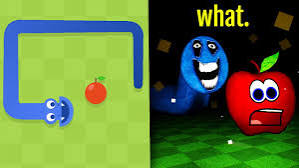 In the snake game, you control a line of connected segments that continuously moves forward. Your only control is direction—up, down, left, or right. When your snake eats food pellets scattered across the board, it grows longer.
 IntroductionClassic arcade games have a special charm: they’re simple to learn, but they reward attention, patience, and a bit of imagination. Grid-based games, in particular, feel like friendly puzzles. Every move snaps into place, every mistake is quick to notice, and every run becomes its own mini-story. If you want an arcade-style experience that still feels fresh, few games are as timeless as Snake. It’s the perfect “one more try” classic—easy to start, surprisingly deep once you’re chasing longer streaks. In this article, we’ll focus on how to play Snake as the main example, what to look for while you play, and a few practical tips to help you enjoy it more (without getting stuck in frustration). And if you’re looking for a place to jump in right away, here’s a helpful reference embedded in the keyword: snake game. Gameplay: Learning the LoopAt its core, Snake is all about movement on a grid. Your character—your “snake”—moves from one square (or tile) to the next. When you see an item appear (usually food), you aim to guide your snake toward it. A typical Snake game follows a simple loop:
Why the grid makes it interestingEven though the rules are small, the grid creates a satisfying challenge. The board is like a map. When the snake is short, you can move more freely. When it grows, you have to think about routes rather than single moves. A good mental model is to treat each run like you’re drawing a path in advance. You’re not just steering toward the next food—you’re trying to build a situation where you won’t trap yourself after eating it. A classic moment: eating changes everythingOne of the most memorable parts of playing Snake is what happens right after you eat. You might have a plan for where to go next, but growth instantly changes your available space. This is why Snake feels “alive.” Your choices have consequences, and the grid forces you to notice them. You’ll often find yourself asking questions like:
That’s the real enjoyment: the simple loop plus the evolving puzzle. Tips: Play Smarter, Stay CalmSnake doesn’t require fancy strategies, but a few habits can make your runs feel smoother and more fun. The best part? These tips help you enjoy the game even when you’re not maximizing your score. 1) Think in routes, not reactionsIt’s tempting to steer based on the immediate direction of food. But in a grid game, your body follows your decisions exactly. Try to plan a short route ahead—maybe 5–10 moves in your head—so you’re turning for a reason, not just because the food is nearby. A simple check: before you commit to a turn, ask whether that move leaves you at least one safe continuation. 2) Keep your turns deliberateIn Snake, turning isn’t just a change of direction—it’s a commitment to a path. If you turn too often, especially when your snake is long, you may accidentally build tight angles that eventually remove your escape route. A helpful mindset is: “Turn when it helps my path.” If the turn doesn’t improve your route, consider going straight longer. 3) Aim for space, not only foodSometimes the “best” move is the one that keeps your area open. Food is important, but being able to move freely is what keeps you alive. As the game progresses, you can start prioritizing these questions:
If food is in a narrow corridor, you may still take it—but only if the corridor doesn’t trap you right after growth. 4) Practice patience after growthAfter eating, your snake is longer, and the board is more crowded than it was a moment ago. Some players panic and make risky turns instantly. Instead, take a breath and watch your options. One practical approach: give yourself a small “planning pause.” Look for a route that avoids trapping your head against a wall or squeezing your body into a dead end. 5) Learn your comfort zoneIf you start getting frustrated, it’s okay to play for consistency rather than maximum length. Try focusing on survival for a set number of moves, or aim for a steady improvement over time. The best classic arcade sessions often come from the feeling of calm control, not constant desperation. 6) Use the grid to your advantageBecause movement is tile-based, you can get good at “reading” the board:
Your goal isn’t to memorize patterns forever—it’s to recognize the shape of your situation while you play. ConclusionSnake is one of those classic grid-based arcade games that continues to charm because it’s accessible but not shallow. You can learn the basics quickly, yet the deeper challenge grows naturally as your snake lengthens. Each run becomes a little lesson in planning, spacing, and self-control. If you take the game seriously for a moment—thinking in routes, staying calm after growth, and prioritizing space—you’ll feel your enjoyment rise. And if you want an easy place to start, you can jump into a snake game Whether you’re playing for quick rounds, posting scores on a forum, or just enjoying a nostalgic arcade vibe, Snake offers exactly what great classics do: a simple rule set with endless personal moments of “I can do better next time.”
Ajouter un commentaire
|