S'inscrire au fil RSS
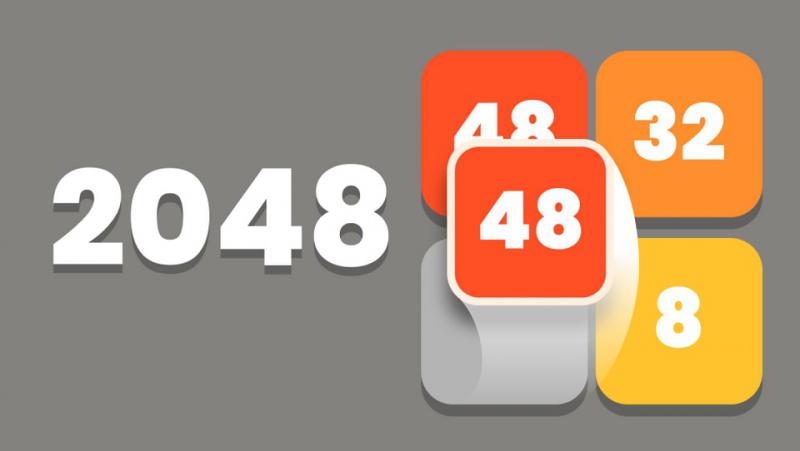
Some puzzle games are easy to understand but surprisingly difficult to master, and 2048 is a perfect example. Its clean interface, simple numbered tiles, and straightforward movement system make it accessible to almost anyone. However, beneath that simple appearance is a game that rewards patience, planning, observation, and the ability to make decisions under pressure. The objective may seem simple at first: combine matching numbers until you create the 2048 tile. Yet reaching that milestone requires much more than repeatedly moving tiles around the board. Every action changes the available space, creates new possibilities, and can also make future moves more difficult. This combination of simplicity and strategic depth is what gives 2048 its lasting appeal. Discover the Challenge Behind the Simple BoardWhen a new game begins, the board usually feels spacious and manageable. Only a few numbered tiles occupy the grid, leaving plenty of empty positions for future moves. This early stage gives players an opportunity to establish a useful structure before the board becomes crowded. As additional tiles appear, however, empty spaces become increasingly valuable. A move that seems harmless can quickly create an awkward arrangement. Once the board fills with incompatible numbers, finding a productive combination becomes much harder. Every Move Changes the SituationOne of the most interesting aspects of 2048 is that players cannot simply focus on their current move. They also need to consider what the board might look like afterward. Combining two tiles may create a larger number, but it can also move other tiles into positions that are difficult to control. This creates a constant relationship between action and consequence. Players gradually learn that the strongest move is not always the one that produces the largest immediate combination. Sometimes preserving a good position is more valuable than gaining a quick score increase. Build a Reliable Board StructureSuccessful 2048 players often develop a preferred way of organizing their boards. Instead of moving tiles randomly in every direction, they may try to keep larger numbers in a particular area while allowing smaller values to develop around them. The exact strategy can vary from player to player. What matters most is maintaining enough order to make future combinations possible. A chaotic board can become difficult to recover, while a carefully arranged board gives players more opportunities to react. Keep High-Value Tiles Under ControlLarge-number tiles are important because they represent progress toward the final objective. However, they can also become difficult to manage if they are constantly moved away from a stable position. Keeping a valuable tile in a relatively predictable location can help create a stronger foundation. Players can then build smaller combinations around it instead of repeatedly disturbing the entire board. This approach requires discipline. A tempting move may create a short-term combination, but it might also force a valuable tile into an inconvenient position. Learn to Protect Empty SpacesEmpty spaces are among the most important resources in 2048. They provide room for new tiles and allow existing numbers to move into useful positions. When the board becomes crowded, players have fewer options and mistakes become increasingly difficult to correct. For this reason, preserving open positions can be more important than constantly searching for combinations. A player who maintains several available spaces has greater flexibility when unexpected tiles appear. Avoid Filling the Board Too QuicklyIt is tempting to combine tiles whenever possible because combinations increase the score. However, making every available combination immediately can sometimes create an unstable board. Players should consider whether a combination improves the overall arrangement. If merging two tiles causes several other numbers to become trapped, the apparent advantage may not be worth it. Good 2048 play involves looking at the board as a complete system rather than focusing on one attractive move. Develop a Consistent DirectionAnother useful strategy is maintaining a preferred movement pattern. Some players concentrate their larger tiles toward one corner and try to keep them there while making smaller combinations elsewhere. A consistent direction can reduce unnecessary movement and make the board easier to understand. Instead of treating every turn as an independent decision, players can create a general framework for how the numbers should flow. Why Consistency HelpsConsistency does not guarantee success, but it can reduce random decisions. When players already understand the structure they want to maintain, they can evaluate each move according to that plan. For example, before swiping in a particular direction, a player can ask whether the movement keeps larger values protected and leaves enough room for future combinations. This simple habit encourages strategic thinking rather than impulsive play. Over time, players may develop their own preferred patterns based on experience. These personal strategies can make each session feel more controlled and rewarding. Think Beyond the Next CombinationBeginners often focus on what can be merged immediately. More experienced players start thinking about what those combinations will create afterward. Suppose two identical tiles can be joined. The resulting number may occupy a new position, changing how nearby tiles interact. That means the important question is not only whether a combination is available, but also whether the resulting arrangement will remain useful. Predict Several Moves AheadPlanning several moves ahead is difficult because new tiles introduce an element of uncertainty. Players cannot know exactly where every future number will appear, so rigid plans can easily fail. Instead, flexible planning is often more effective. Players can establish a general objective while remaining ready to adapt when the board changes. This way of thinking turns 2048 into a small exercise in probability and decision-making. Each move involves evaluating the current situation while considering several possible future outcomes. Turn Mistakes Into Better StrategiesLosing a game of 2048 does not necessarily mean the entire session was unsuccessful. Failed attempts can reveal weaknesses in a player's approach. A crowded board may show that too many empty spaces were used too quickly. A misplaced large tile may indicate that movement patterns were not controlled carefully enough. Repeated mistakes can become useful lessons when players pay attention to what caused them. Analyze the Final Few MovesThe final moments of a failed game can be particularly informative. Instead of immediately starting another round, players can briefly consider when the board first became difficult to manage. Perhaps an unnecessary swipe reduced available space. Maybe a combination was made without considering its position. Identifying these moments can make future attempts more deliberate. This process gives 2048 an appealing learning curve. Improvement does not require memorizing complicated rules. It comes from recognizing patterns and making slightly better decisions with each new attempt. Enjoy a Puzzle That Rewards Patience2048 is not designed around complicated controls or overwhelming instructions. Its appeal comes from the gradual discovery of strategy. Players can begin within seconds, but mastering the board can take considerably longer. The game also fits naturally into short sessions. A player can complete a quick attempt during a break or spend more time experimenting with different approaches. This flexibility makes it suitable for people who enjoy casual puzzles as well as those who want to challenge their strategic thinking. Simple Controls, Deeper DecisionsThe controls are extremely easy to understand. Players generally use directional inputs to move all available tiles across the board.
Although the controls are simple, every input matters. There is no separate button for complicated actions, so the entire challenge comes from deciding when and where to move. Why 2048 Continues to Attract Puzzle FansThe lasting appeal of 2048 comes from the contrast between its minimal design and its strategic possibilities. The rules can be explained quickly, but strong play requires patience, spatial awareness, planning, and adaptability. Each new session offers another opportunity to improve. A player might reach a higher tile, achieve a better score, maintain a cleaner board, or simply make fewer unnecessary moves. These small improvements provide motivation to try again. More importantly, 2048 gives players a clear sense of cause and effect. Every swipe changes the board, and every decision contributes to the eventual outcome. There is no need for complicated storytelling or elaborate mechanics to create tension. The puzzle generates its own challenge through limited space and increasingly difficult choices. For newcomers, the best approach is to remain patient and avoid treating every available combination as an immediate opportunity. For experienced players, experimenting with different board structures and movement patterns can keep the experience interesting. Ultimately, 2048 is more than a numbers puzzle. It is a compact test of organization, foresight, and decision-making. Its straightforward design allows anyone to start playing, while its strategic depth encourages repeated attempts. Whether the goal is reaching 2048, beating a previous score, or simply finding a better way to control the board, every session offers another chance to think, adapt, and improve.
Ajouter un commentaire
|